 Why method matters
Rodent Droppings Are a Health Hazard That Requires Proper Technique
Rodent droppings cleanup is not a task for a broom and a trash bag. Sweeping or vacuuming with a standard vacuum disperses dried rodent waste particles into the air -- and rodent droppings are a vector for hantavirus pulmonary syndrome, salmonellosis, leptospirosis, and lymphocytic choriomeningitis. In Alabama, hantavirus cases are rare but have been documented, and salmonella transmission from rodent-contaminated kitchen surfaces is a more common health risk.
The CDC protocol for rodent droppings cleanup -- which we follow -- requires pre-wetting the affected area with a disinfectant solution to prevent airborne dispersal, physical removal using gloves and appropriate respiratory protection, HEPA-filtered vacuuming of the surface, and enzyme-based sanitization treatment of the affected zone. In enclosed spaces like attics and crawl spaces with significant contamination, respiratory protection requirements are more stringent.
Huntsville properties with roof rat or Norway rat infestations that went undetected for weeks or months often have widespread droppings contamination across attic insulation, crawl space soil, and behind kitchen appliances. The volume of contamination in established infestations requires systematic, methodical cleanup rather than spot treatment.
Our Droppings Cleanup Process
Contamination Assessment
We document the extent of droppings contamination before beginning cleanup -- quantity, distribution across the space, and whether insulation or building materials have been saturated with urine as well as droppings. This assessment determines the scope of work and whether insulation replacement is also warranted.
Disinfectant Pre-Treatment
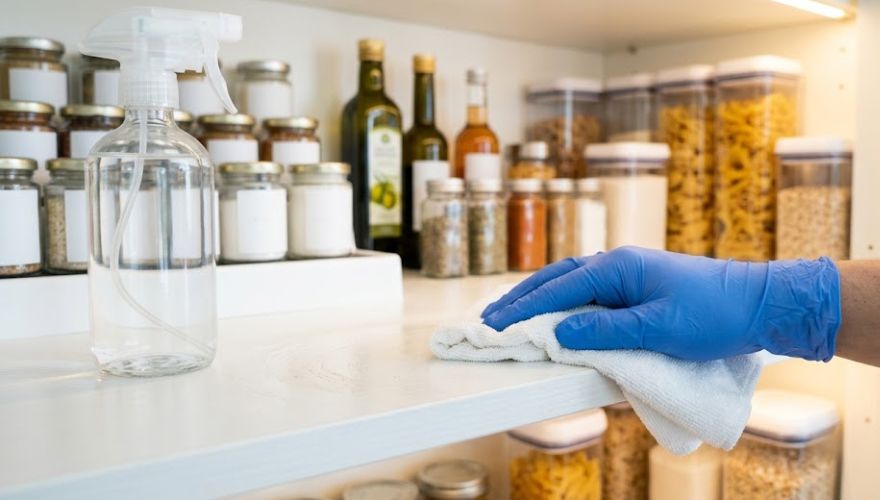
All droppings and urine-affected surfaces are pre-wet with an EPA-registered disinfectant solution and allowed appropriate contact time before any physical removal begins. This step suppresses airborne pathogen dispersal during the cleanup process.
Physical Removal and HEPA Vacuuming
We physically remove droppings using sealed disposal bags, followed by HEPA-filtered vacuuming of the affected surface. Standard vacuum cleaners are not used -- they exhaust fine particles that HEPA filtration captures and contains.
Enzyme Sanitization and Deodorization
Enzyme-based sanitization treatment is applied to all affected surfaces to break down urine proteins and eliminate the scent markers that attract new rodents to previously occupied areas. Deodorization treatment addresses persistent odor in enclosed spaces.
Common Droppings Cleanup Scenarios in Huntsville
Attic cleanup
Roof rat infestations in Huntsville attics produce concentrated droppings along rafter travel routes and nesting areas. HEPA removal followed by enzyme treatment of the affected insulation layer. Heavy contamination may also require insulation replacement.
Kitchen and pantry
House mouse droppings in kitchen cabinets, drawers, behind appliances, and in pantry spaces. Pre-wet disinfectant treatment of all contact surfaces, HEPA removal, and enzyme sanitization before the space is returned to food use.
Crawl space
Norway rat droppings in crawl spaces are often mixed with nesting material on soil surfaces. Removal and sanitization of the affected crawl space zone, including any contaminated vapor barrier sections.
Frequently Asked Questions
Is it safe to clean up rodent droppings myself?
With proper precautions -- rubber gloves, an N95 respirator, and a disinfectant pre-wetting step before any disturbance -- spot cleanup of small amounts is manageable. For larger contamination areas (attics, crawl spaces, or widespread kitchen contamination), professional cleanup with HEPA equipment is safer and more thorough.
How do I know if the contamination is extensive enough to need professional cleanup?
If droppings are present in more than one room, throughout a cabinet run, along multiple attic rafter bays, or across a crawl space area larger than a few square feet, professional cleanup is the appropriate approach. We assess the extent during the free inspection.
Do you remove insulation as part of droppings cleanup?
Droppings cleanup and insulation replacement are separate services. We remove droppings from attic insulation surfaces and apply enzyme treatment to reduce contamination in the insulation layer. If insulation is heavily saturated with urine or structurally degraded, we recommend removal and replacement -- quoted separately under our insulation replacement service.
Will the odor go away after cleanup?
Enzyme-based treatment breaks down the urine proteins responsible for persistent rodent odor. In enclosed spaces like attics and crawl spaces, full odor elimination may require multiple treatment applications and adequate ventilation time. Heavily saturated insulation that is not replaced will continue to off-gas until the material is removed.
Can you do cleanup before removal is complete?
We recommend completing the active removal phase before beginning cleanup. Cleaning up droppings while a colony is still active restores the surface appearance but the contamination reaccumulates rapidly as the active population continues.