 The local context
Residential Rodent Pressure in Huntsville, AL
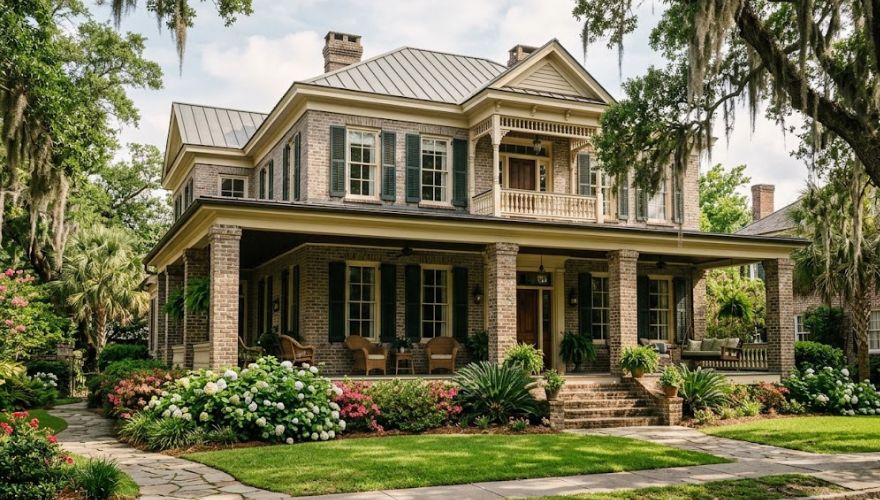
Huntsville's housing stock spans more than a century of construction — from the 19th-century frame homes of Twickenham to the 2010s developments in Hampton Cove and Providence. Each era presents different rodent control challenges, different species pressure profiles, and different exclusion requirements. A program that works for a 1920s pier-and-beam home in Merrimack will be wrong for a 2018 slab-foundation subdivision home three miles away.
Compounding this is the Tennessee Valley's subtropical climate, which eliminates the seasonal breeding suppression that homeowners in northern cities rely on. In Huntsville, rat and mouse populations breed continuously — there's no frost that resets the population each winter. Addressing an infestation without sealing the entry points means the same pressure returns within months, often faster than the original infestation developed, because the colony has already established scent trails to your property.
The good news is that Huntsville's rodent pressure, while year-round, is predictable. We know which species dominate which neighborhoods, which entry points are most common in which construction eras, and what the seasonal pressure curves look like across the Tennessee Valley. That knowledge informs treatment that actually holds.
How Huntsville's Construction Eras Shape Rodent Risk
Pre-1940 — Twickenham, Merrimack, Five Points
Original pier-and-beam construction, open crawl spaces, gap-prone wood framing that has settled over a century, original soffits and fascia without modern weatherproofing. Highest roof rat and Norway rat combined risk. Heritage-sensitive exclusion materials required.
1940s–1960s — Terry Heights, South Huntsville, Lincoln Village
Postwar brick construction, early concrete slab or shallow crawl spaces, aging window frames, original door sweeps. Norway rat crawl-space access is common. House mice enter through weep holes and siding gaps.
1970s–1990s — Blossomwood, Sherwood Park, Rolling Hills
Mixed slab and crawl space, vinyl siding beginning to appear, first-generation HVAC with duct penetrations. Roof rat pressure in canopy-adjacent lots. House mouse pressure through garage door gaps and settling foundation joints.
2000s–present — Hampton Cove, Providence, Brookhaven
Slab foundation standard, engineered wood construction with factory gaps at sill plates. House mouse pressure elevated in the first 3–5 years post-construction as landscaping settles. Less Norway rat pressure unless near established commercial corridors.
Our Residential Rodent Control Process
-
Whole-Home Inspection — Free
We inspect all areas of the home with potential rodent presence: attic, crawl space, basement if applicable, garage, all interior living spaces, kitchen and utility areas, and the full exterior perimeter. We identify species, locate all active zones, and document every significant entry point. You receive a verbal summary on-site with written findings available before we quote.
-
Species Identification & Activity Mapping
Norway rat, roof rat, and house mouse each require different removal approaches. We identify which species are active and map their travel patterns — ground-level runway evidence for Norway rats, overhead runway grease marks for roof rats, and ¼" gap concentrations for house mice. Mixed infestations are common in older Huntsville homes and are treated with parallel species-specific strategies.
-
Written Quote — Full Scope, No Surprises
Based on inspection findings, we provide a written quote covering the full removal scope, exclusion recommendations, and optional cleanup services. You see exactly what you're agreeing to before any work begins. We don't bundle services you don't need or pressure-sell upgrade packages.
-
Active Removal Phase
We place removal equipment across all identified active zones — attic trap placements for roof rats, ground-level and crawl space stations for Norway rats, comprehensive interior coverage for house mice. We return on scheduled intervals to clear catch, reset, and reassess until the active population is eliminated. Most residential jobs require 2–4 clearing visits over 10–21 days.
-
Exclusion — Sealing Your Home Against Return
Exclusion scope depends on your property. At minimum, we seal the primary entry points identified during inspection. Full exclusion covers all significant gaps: roofline sealing, crawl space screen replacement or repair, utility penetration caulking, door sweep installation, and foundation-level gap filling. This step is what determines whether your result is permanent or seasonal.
-
Follow-Up Documentation
We provide written documentation of work completed, entry points sealed, and any conditions requiring continued monitoring. For homeowners planning to list their property, we provide service records that can accompany pest disclosure documentation.
What We Cover — Species and Entry Types
Residential rodent control in Huntsville must address three potential species, any of which may be present simultaneously in a single property:
- Norway rats (R. norvegicus): Ground entry — crawl spaces, foundation gaps, sewer-connected entry, utility penetrations at grade. Primary risk in older housing stock in Merrimack, Terry Heights, and older sections of South Huntsville.
- Roof rats (R. rattus): Overhead entry — tree limb contact at rooflines, open soffits, fascia gaps, degraded attic ventilation screens. Primary risk in canopy-dense neighborhoods: Twickenham, Blossomwood, Monte Sano, Five Points, Mountain Gap.
- House mice (M. musculus): Any gap ¼" or larger, at any elevation — garage doors, weep holes, utility penetrations, door sweeps, siding gaps. Present in virtually every Huntsville neighborhood; highest in newer subdivisions during initial landscaping settlement.
Mixed infestations — roof rats and house mice in the same attic, or Norway rats in the crawl space and house mice in the kitchen — are common in Huntsville's older and mid-vintage housing. We treat all species present using parallel species-specific strategies rather than a single generalized approach.
Frequently Asked Questions
What's included in residential rodent control?
Our residential service includes a free whole-home inspection, species identification, written quote, active removal using species-appropriate methods, follow-up clearing visits until the population is eliminated, exclusion recommendations, and optional entry-point sealing. Attic cleanup, droppings sanitization, and insulation replacement are available as additional services and can be quoted at the same time.
How is Huntsville's construction era relevant to rodent control?
Construction era determines the type and location of entry points. Pre-1940s pier-and-beam homes in Twickenham and Merrimack have settled foundation gaps, original soffit systems, and aging crawl space screens that create very different entry profiles than a 2015 slab-foundation home in Hampton Cove. The exclusion approach — materials, locations, and methods — differs significantly between eras.
Do I need full rodent control if I only see droppings in one area?
Droppings concentrated in one area typically represent a primary activity zone, not the limit of the infestation. House mice explore up to 30 feet from their nest nightly, and Norway rats have home ranges covering hundreds of square feet. A droppings concentration near the stove almost always means the nest is in a nearby wall void or cabinet space, with active travel throughout the kitchen perimeter.
How long until my Huntsville home is rodent-free?
Most residential infestations are eliminated within 2–4 weeks with scheduled removal visits. The timeline varies by species, colony size, and property complexity. We continue follow-up visits until catch rates reach zero across consecutive visits before considering the active removal phase complete.
What maintenance keeps rodents from coming back after treatment?
The most important step is keeping entry points sealed — particularly garage door weather stripping, crawl space screens, and roofline gaps that develop seasonally. Trimming tree limbs 6+ feet from the roofline, keeping outdoor pet food in sealed containers, and storing firewood away from exterior walls all reduce long-term pressure.
Do you treat both rats and mice in the same service call?
Yes. Mixed infestations — both rat and mouse species active simultaneously — are common in Huntsville's older homes and are treated comprehensively. We use species-specific placement strategies for each species, which differ in trap type, location, and height, running as parallel programs rather than a single generalized approach.